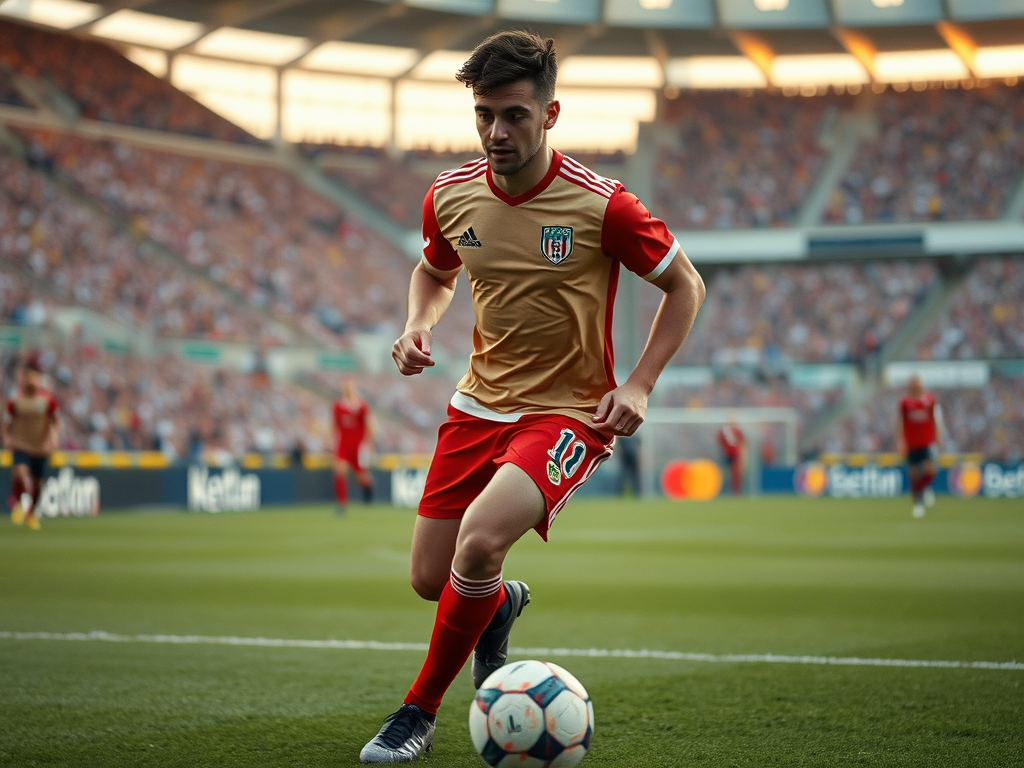
 San Diego Wave FC Hub
Fine-Tuning the Wave: Tactical Adjustments for Enhanced Performance
As the San Diego Wave FC navigates through the current NWSL season, the team has demonstrated both promise and inconsistency in their performances. With the playoffs on the horizon, it’s crucial for head coach Casey Stoney to analyze recent tactical trends and consider adjustments that could enhance the team's effectiveness on the pitch.
Recent Form Insights
In their last few matches, the Wave has exhibited a mixed bag of results, often characterized by strong attacking displays that are tempered by defensive lapses. The attacking trio, anchored by the likes of Alex Morgan and the creative playmaking of Megan Rapinoe, has frequently found ways to break down opposing defenses. However, the team has sometimes struggled to maintain defensive solidity, particularly during transitional phases.
Statistically, the Wave has shown a higher possession rate, but this has not always translated into clear goal-scoring opportunities. The midfield, while industrious, has occasionally lacked the necessary support and connection to both the defense and the attack, leading to moments of disjointed play.
Tactical Adjustments
1. Midfield Structure: One immediate tweak could be a shift to a more compact midfield structure that employs a double pivot. This would allow for greater coverage defensively, while also providing a solid foundation for transitioning the ball forward. For instance, pairing a defensive midfielder with a more creative counterpart could enhance ball retention and distribution, giving players like Rapinoe and Morgan the support they need to operate effectively in higher areas.
2. Flank Utilization: Increasing the width of the attack can stretch opposing defenses and create more opportunities for overlap. The Wave has dynamic wing players who can exploit this space, but they need to be given more freedom to roam wide. Encouraging full-backs to join the attack could create overloads on the wings, compelling defenders to commit and opening up central spaces for attackers to exploit.
3. Pressing Strategy: The current pressing strategy appears to be inconsistent, allowing opponents to escape pressure too easily at times. A more coordinated and aggressive pressing system, particularly in the opposition's half, could disrupt their buildup play and lead to high turnovers. Training sessions focused on synchronizing player movements in pressing scenarios could yield dividends, putting opponents on the back foot more frequently.
4. Substitution Patterns: Finally, the timing and type of substitutions could also be refined. Bringing on fresh legs earlier in the second half or introducing tactical substitutes to counter specific threats can help maintain intensity and control of the match. Utilizing more impact players late in games may allow the Wave to exploit tired defenses, maximizing scoring chances in critical moments.
Conclusion
As San Diego Wave FC looks to solidify its position in the NWSL standings, these tactical tweaks can be pivotal in enhancing team performance. By focusing on midfield structure, flank utilization, a more aggressive pressing strategy, and strategic substitutions, the Wave can harness its existing talent and turn potential into consistent results. With Casey Stoney at the helm, there is every reason to believe that the Wave can ride the tide of improvement and make a significant impact as the season progresses.